Saturday, January 11, 2014

Double-Blinded by Science?


There is no question there are many opinions and points-of-view on the question of THE healthiest way to choose what you put into your body as food. And, there are many motivations by many groups with divergent agendas touting this and that diet as THE best choice for optimal human nutrition.

But, here’s the thing. I went to public school in the 1950s and 60s when math and science were taken for granted as THE best descriptions of reality and THE best way to understand the myriad diversity of the universe. So, to me, science remains kinda like a roadmap by which one can most judiciously discern the safest path through life by making choices based upon quality, peer reviewed, proven research - not wishful thinking, not based upon only conjecture but founded on repeatable, double-blind, highly scrutinized science.

I am of the opinion, which has borne out to be true, in my case at least, that prayer (or blind religious faith, as I call it) won’t prevent one from having a heart attack at age 60 if one eats a diet slathered in saturated fat and cholesterol (animal food products). Maybe it’s just me but haven't most health experts been harping on that issue for decades now? Remember the term “a double-blind study”? That’s what I’m talkin’ about!

Anyway, before this post turns into one of my typical rants about the benefits of eating plants and the exclusion of meat, eggs and dairy products, I have decided to let the scientists have the stage on this one.

So, here it is in black and white - the science behind (and somewhat in front of) the healthy plant-based way of eating.

If you’ll have a typically SAD (Standard American Diet) lunch today of double cheese burger, large fries, and a soda pop, read it and weep, my friend. But, for too few of the others (eating a combination of healthy whole grains, legumes, fruits and veggies) I say pass the heart healthy, no-cholesterol, low-fat, high-fiber kale chips, please!


Monday, December 30, 2013

The Brand Spanking New Blood Pressure Guidelines

Nature's Medicine

About 7 years ago I was diagnosed with high blood pressure, and because I was a white male over the age of 50 (I was almost 60 at the time), had blue eyes, fair complexion, and a family history of heart attack and stroke (doesn't almost everyone living in the US?), I was put on a BP medication. My cardiologist also prescribed a statin drug to boot, even though I was told I did not have atherosclerosis NOR high cholesterol. "It's just to make sure", my doctor said. "Oh, and by the way, you should loose, er, 70 pounds, too. See you in six months", he cheerfully added over his shoulder as he exited the examination room.

Well, I knew I was over weight but which leg did he think I should cut off? Or, was that small detail to be left up to me?

However, under the threat of high blood pressure induced heart attack or stroke, I did what the doctor ordered and started the regimen of four times a day BP meds and a once a day statin pill. I also began to lower my food intake and doubled my exercise schedule to 2 or 3 miles a day walking instead of every other day as I had been doing. But, after 6 months, my blood pressure wasn't lowered quite enough for the doctor's satisfaction (down to the guidelines at that moment five years ago) so he added an additional BP drug to my pill-popping schedule. But, having dutifully ramped up my exercise routine while eating less did not result in weight loss OR lower blood pressure without the meds.

I remained on this rather unsuccessful diet-exercise-meds routine for another three years. When I peaked out at 237 pounds, and my wife had type 2 diabetes and hypertension herself, we decided to take drastic action ourselves and adopted a plant-based, oil-free way of eating and quickly began to see an improvement in our health. Within 6 weeks we were able to drop all of our meds. Our blood pressures were down to the Normal Range without meds, and my wife no longer needed to take meds for diabetes because her blood sugar level was consistently nominal on our new plant diet.

After two years I have lost 45 pounds and continue to check my BP every few weeks, which is consistently around 115/70. Good news, eh?

But the better news is that newly released guidelines published in the Journal of the American Medical Association suggest that people over age 60 can have higher blood pressure than previously recommended before starting treatment to lower it. To check out this article in the New York Times. Click Here!

So, my wife and I could have saved some money (and some of the side effects of blood pressure lowering meds) by following these new guidelines instead of taking powerful drugs we apparently didn't need FOR YEARS. Rats! Duped once again by the medical establishment and their Big Pharma co-conspirators!

But, at least we found a way to eat that has helped us more than drug therapy ever could have - eating plants with no added oil, Plus, since there is no dietary cholesterol in a plant diet, no statin drugs needed either, thanks ever-so.

By the way, here's another New York Times article that points out other ways some heart specialists feather their own nests through the expense and unnecessary treatment of their trusting patients. Click here!

Authors Note: If, in the course of reading this or any other post within this blog, you detect a note of sarcasm in my tone, please be advised that this is no accident and done consciously with all the strength I can muster despite the concerted, long-term attempts by the Medical Establishment in the United States to drain my personal banking account through organized flim-flam and underhanded subterfuge facilitated by downright criminal deception, the skillful use of cleverly-manipulated propaganda disguised as marketing, and psychological terror techniques employing fear as a prime motivator.

Tuesday, November 12, 2013

When "The Good Oil" Isn't


When, infrequently, my diet comes up in conversation and I tell people that I eat only fruit, vegetables, legumes, whole grains with no processed anything including no oils, they invariably exclaim, “No oils? Not even healthy oils like olive oil?”  Then, I ask them, "How many whole olives would you eat at one meal?” They usually say “Ummm, five or six”. Then I ask them how many tablespoons of olive oil they consider to be one serving for use on a salad, for example. “One or two”, they usually answer. But, I suspect that they might occasionally use more than that when push comes to shove.

Then, I tell them that one tablespoon of olive oil contains the oil from an average of 44 medium sized olives, so that they are eating the oil (essentially fat) from as many as 40 to 80 (or more) olives on their salad. Of course they don’t believe me and figure I am trying to pull some kind of guilt trip or devious vegan trick on their carnivorous selves.

But, no, this Good Oil, Heart Healthy label for olive oil is simply one example of the kind of marketing ploy the big food industry has used to promote their products despite the damage that the Standard American Diet (SAD) of mucho meat, fried everything (in healthy oils, of course), and processed, condensed food products has done to us as individuals and to us as a food-wealthy culture.

Real “Good Oil” is any oil that occurs naturally in whole foods the way nature (or God, if you are so inclined) intended us to eat it. Olive oil is a good example of how the concentration-through-processing gambit of the industrialized food industry has fooled us all into thinking that if a little is alright and even healthy for you, then more than is naturally available in whole foods must be really good for you. Another example of something occurring naturally would be sunlight, in that a few minutes of sun exposure per day creates vitamin D production in the human skin while a couple of hours of exposure will produce skin cancer possibly even leading eventually to premature death from melanoma. Too much? Not so good.

More and more, recent scientific research is revealing that many human nutrients, when separated and concentrated from whole foods, are not so beneficial and may even be harmful.

So, the bottom line is to do your own homework, pilgrim. Don’t cheat off the work done by the large industrial food processors and the FDA, their lackeys. Just like way back in Mrs. Blaine’s English class, you might be copying the wrong answers and flunk the test! The correct information about what you should eat is out there. Go look for it yourself at the library or on the internet. Get at least two independent opinions based upon PEER REVIEWED SCIENTIFIC RESEARCH, not funded by commercial food producers or food distributors, or their lackeys (I love that word), and take responsibility for your own health.

By the way, I gleaned my previously stated “olive oil facts” from the internet sites of two olive oil producers.  To see for your self how many olives it takes to make a one-liter bottle of olive oil, just click here and here. You do the math.

And, next time you have a salad just chop up some whole olives and add a splash of vinegar with some herbs and pepper on it instead of that olive-oil dressing. It will taste great and you'll be doing your heart and waistline a big favor.

Tuesday, October 29, 2013

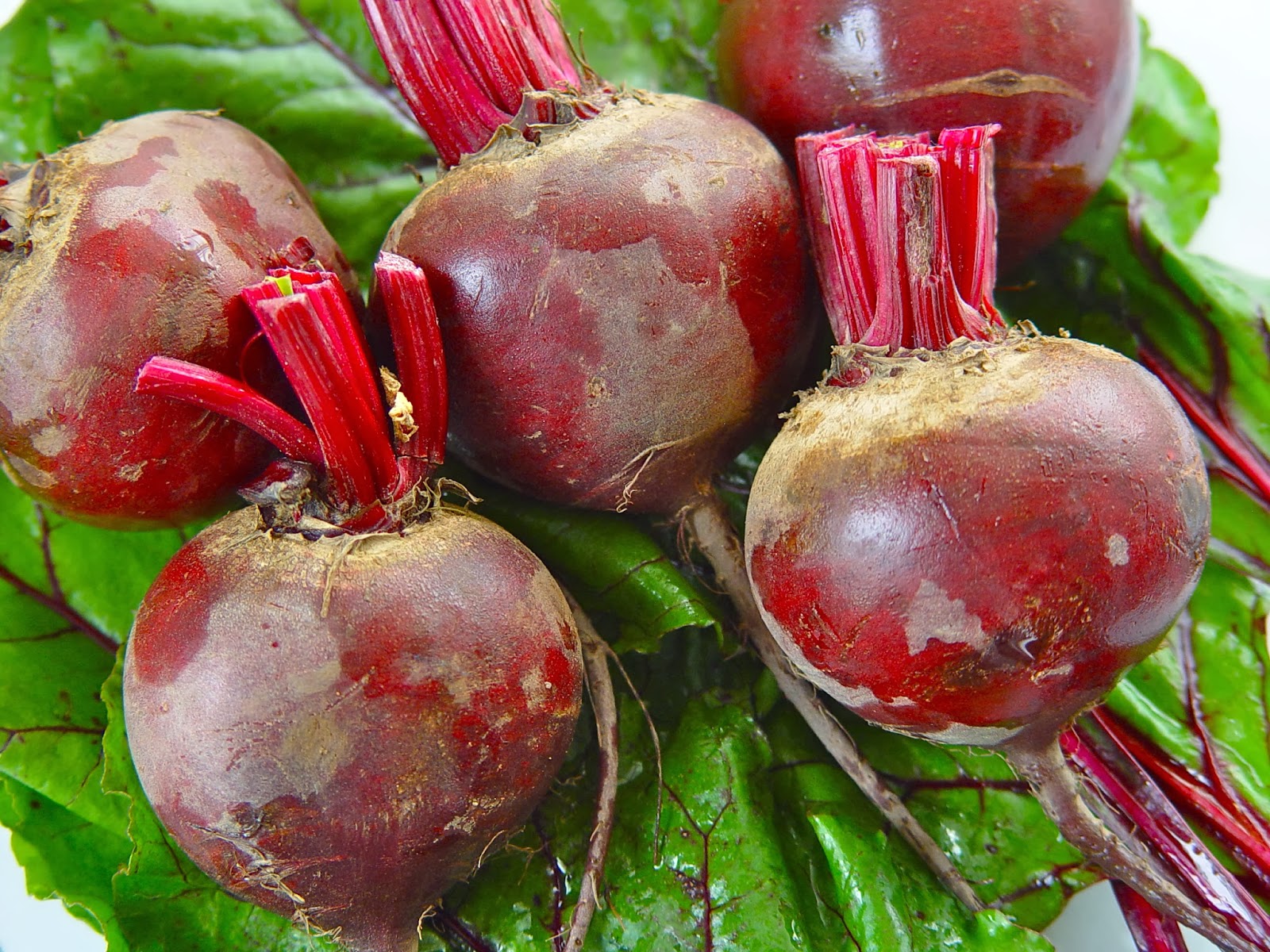
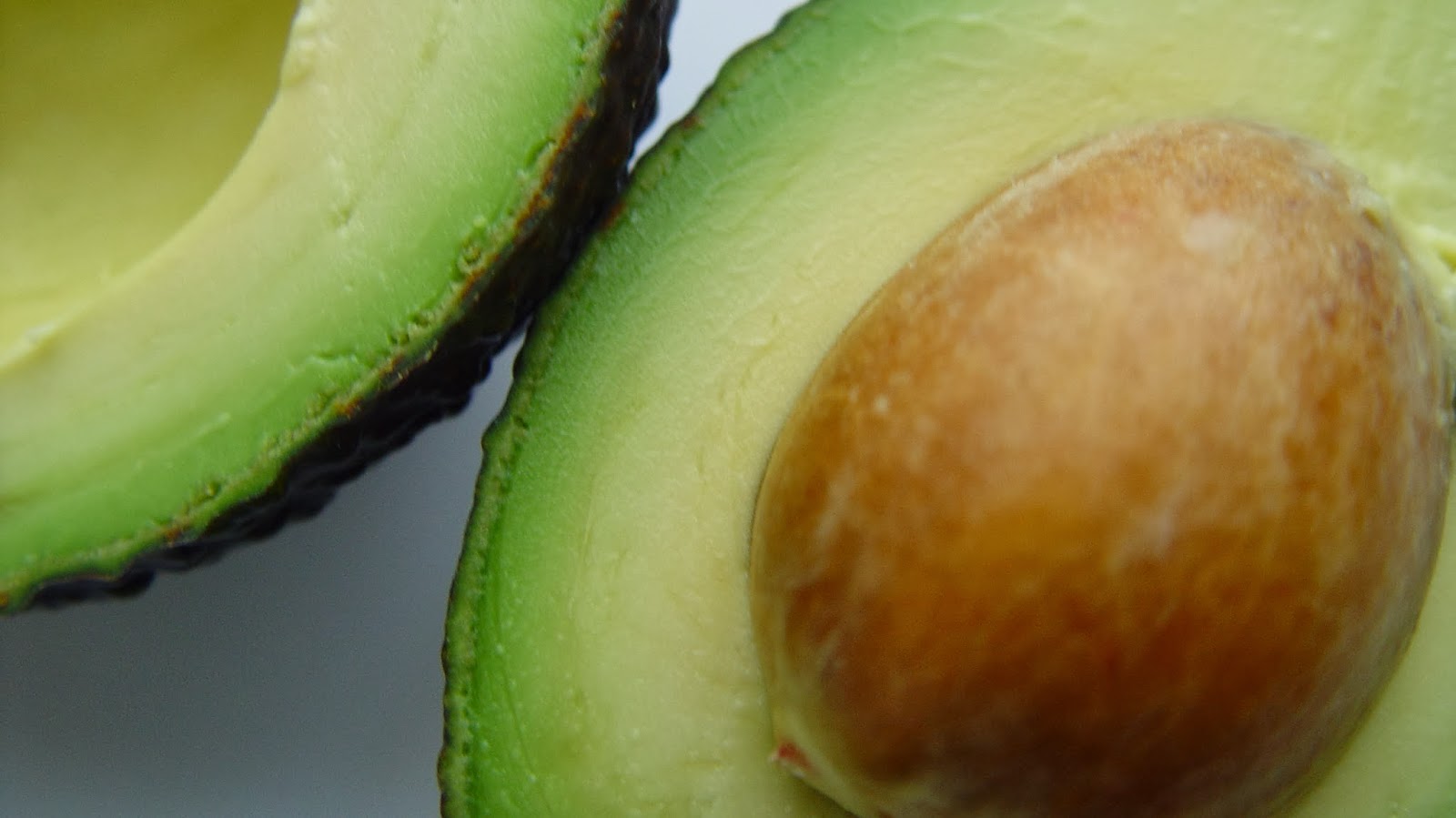
My Favorite Plant-Based Pictures

I've taken these pictures over the past few years while working with my wife, Anita Gayle, in her efforts to promote our healthy plant-based whole food way of eating.

You can click on each photo for a closer look. See how many you can identify.


Wednesday, August 14, 2013

The Permanente Journal Update on Plant-Based Diets


In the recent 2013 Spring edition of The Permanente Journal, published by Permanente Press, a peer-reviewed journal of medical science, social science, and medical humanities, an article appeared entitled Nutritional Update for Physicians: Plant-Based Diets.  With the lofty objective of presenting doctors with cost-effective interventions to improve health outcomes by becoming more involved in helping their patients adopt healthier lifestyles, the article boldly states that "Physicians should consider recommending a plant-based diet to all their patients (italics mine), especially those with high blood pressure, diabetes, cardiovascular disease, or obesity".

Founded in 1945, Kaiser Permanente is one of the nation’s largest not-for-profit health plans, serving more than 9.1 million members. With headquarters in Oakland, California, it comprises: Kaiser Permanente, made up of three distinct groups of entities: the Kaiser Foundation Health Plan and its regional operating subsidiaries; Kaiser Foundation Hospitals; and the autonomous regional Permanente Medical Groups.

The fact that such a large health-care provider with over 17,000 physicians in Colorado, Georgia, Hawaii, Virginia, Maryland, Washington DC, California, Oregon, Washington and Ohio would advise their doctors to consider recommending a plant-based diet to all their patients through their Permanente Journal (with the stated mission of advancing knowledge in scientific research, clinical medicine, and innovative health care delivery) is a very big deal indeed.
Remembering that Kaiser Permanente's goal is to reduce health care costs, the good health of their subscribers is certainly in their own best financial interests.

Please, do yourself a favor. Read this article, and consider giving up meat, dairy, eggs, refined oil products, and processed foods. Then, eat only fruits, vegetables, whole grains, legumes and a few nuts. You won't be sorry and you'll see beneficial changes in the quality of your health almost immediately, an affect to which I can personally attest.

The Permanente Journal, 2013 Spring

Making, as some would call it, a radical change in their normal Standard American Diet (SAD) of bacon-double cheese burgers, steaks, seafood, mozzarella, yogurt, eggs, and so-called "healthy" oils might seems a lot to ask from people. But, I can tell you from my own experience that the quick but lasting health benefits of a plant diet far outweigh cravings for the food additions I had amassed over my life time. So, in the interest of providing practical, easy-to-understand information about eating plants to those interested in taking ultimate responsibility for their own health, here are some useful links to a few of the research scientists and doctors referenced in the Permanente article.

T Colin Campbell, author of The China Study

Caldwell B Esselstyn, Jr, MD.  author of Prevent and Reverse Heart Disease

Dr. John McDougall, MD, author of The Starch Solution and The New McDougall Cookbook

Living on a plant-based diet does take a little work (as in personal research, reading labels, and asking questions at restaurants) so most folks would rather just go for the quick fix in dealing with health problems, like expecting a doctor to counter our bad eating habits and popping pills as a remedy for every ailment. But, the Permanente article points the way to a better lifestyle with optimum health through a more sensible approach to eating. And, they have the scientific proofs to back up their claims.